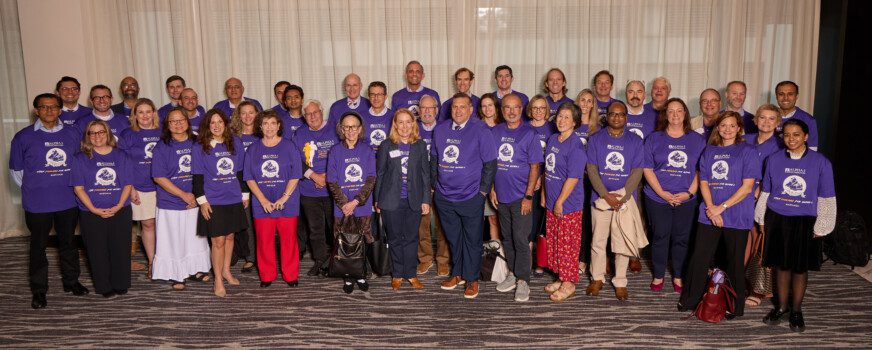
Researchers from institutions across the United States, United Kingdom, Ireland, and Australia gathered this October for the 2026 Alpha-1 Foundation Investigators’ Meeting. The full-day program examined research focused on Alpha-1 Antitrypsin Deficiency (Alpha-1), an inherited genetic condition that can cause serious lung and liver disease.
The meeting was one of six focused gatherings held as part of the Alpha-1 Foundation Leadership and Scientific Summit, which brings together community leaders, clinicians, researchers, advisers, board members, and industry partners.
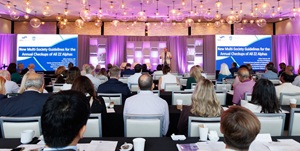
The Investigators’ Meeting featured presentations across four research areas: disease mechanisms, computational and omics topics, clinical topics, and therapeutic approaches.
Presenters included physicians and scientists from the University of Leicester, Murdoch Children’s Research Institute, Columbia University, University of Florida, University of Alabama at Birmingham, Brigham and Women’s Hospital, Baylor College of Medicine, and the Royal College of Surgeons in Ireland.
“Bringing this caliber of researchers together is incredibly exciting as we collaborate to better manage Alpha-1 and ultimately find a cure,” said Scott Santarella, president and CEO of the Alpha-1 Foundation. “Collaboration is essential to turning discoveries into life-changing advances for patients and families.”
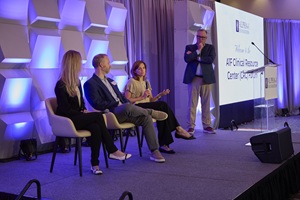
During the meeting, researchers examined the biological mechanisms underlying Alpha-1, including how genetic mutations, respiratory infections, and inflammation may contribute to lung disease. They also presented research using animal models to learn more about Alpha-1-associated lung disease.
In the next session, researchers examined tools that could help scientists better understand differences in how Alpha-1 affects patients. One presentation explored the use of artificial intelligence to assess emphysema progression risk in PiMZ and PiMS heterozygous subjects, while another used multi-omic data to examine sex differences in Alpha-1-associated COPD.
The clinical session focused on challenges in diagnosing and managing Alpha-1. Researchers presented efforts to improve Alpha-1 testing and detection, examined “silent zones” of disease that may not be readily apparent, and addressed genetic discrimination and its implications for people living with an inherited condition. Together, these studies focused on challenges that can affect how quickly Alpha-1 is identified and how patients navigate care.
The meeting concluded with research into potential new treatments under investigation for Alpha-1. Specifically, investigators discussed approaches to deliver alpha-1 antitrypsin directly to the lungs and limit lung destruction, methods to promote liver regeneration, and strategies to use engineered exosomes to deliver DNA to cells as a potential treatment for Alpha-1. Researchers also presented work on a recombinant AAT-Fc therapeutic protein being investigated for Alpha-1.
Read the original article on South Florida Hospital News.