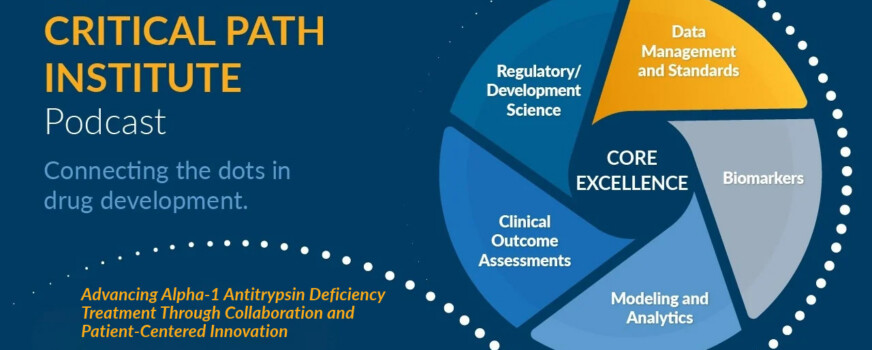
This episode of the Critical Path Institute Podcast features an in-depth conversation between podcast host and C-Path CEO Klaus Romero and Scott Santarella, President and CEO of the Alpha-1 Foundation. In honor of Alpha-1 Antitrypsin Deficiency (AATD) Awareness Month, the duo focuses on developments for people living with AATD — a rare genetic condition affecting the lungs and liver.
The discussion highlights the critical importance of early diagnosis, multidisciplinary care, and active patient involvement in research and drug development. The foundation’s longstanding efforts in building clinical networks, patient registries, and collaborative partnerships have positioned the Alpha-1 community at a pivotal moment where promising therapies are emerging on the horizon. The dialogue underscores the necessity of integrating patient data while maintaining privacy, innovating evidence generation for rare diseases, and ensuring equitable access as novel gene therapies arrive.
Key Insights
- Genetic Basis and Dual-Organ Impact of AATD: Alpha-1 antitrypsin deficiency is a hereditary disorder primarily affecting lung and liver tissue. Its genetic nature means a diagnosis in one family member prompts testing across relatives, opening pathways for preventative care.
- Challenges of Misdiagnosis and Delayed Intervention: Patients often receive misdiagnoses like COPD or fatty liver disease for years, delaying appropriate therapy and leading to progressive deterioration.
- Patient Empowerment and Multi-Stakeholder Collaboration: Advancing Alpha-1 treatments hinges on the active participation of patients — not merely as trial subjects but as partners shaping study design and therapeutic goals.
- Rich Patient Registry Data Enables Precision Research: The Alpha-1 Research Registry consolidates patient-reported outcomes with clinical records, balancing confidentiality with utility.
- Urgency Amplified by Limited Therapeutic Development Window: The community faces a finite opportunity — estimated at 3-5 years — to translate emerging therapies from clinical trials to approvals.
- Gene Therapy’s Promise and Access Challenges: Alpha-1 therapies on the horizon may include “one-and-done” gene treatments with high upfront costs but potential long-term health system savings.
- Optimistic Yet Realistic Future Outlook for Alpha-1: While breakthroughs may not cure every patient, anticipated approvals in the next 3-5 years will improve subsets of the population, encouraging earlier diagnosis and intervention.